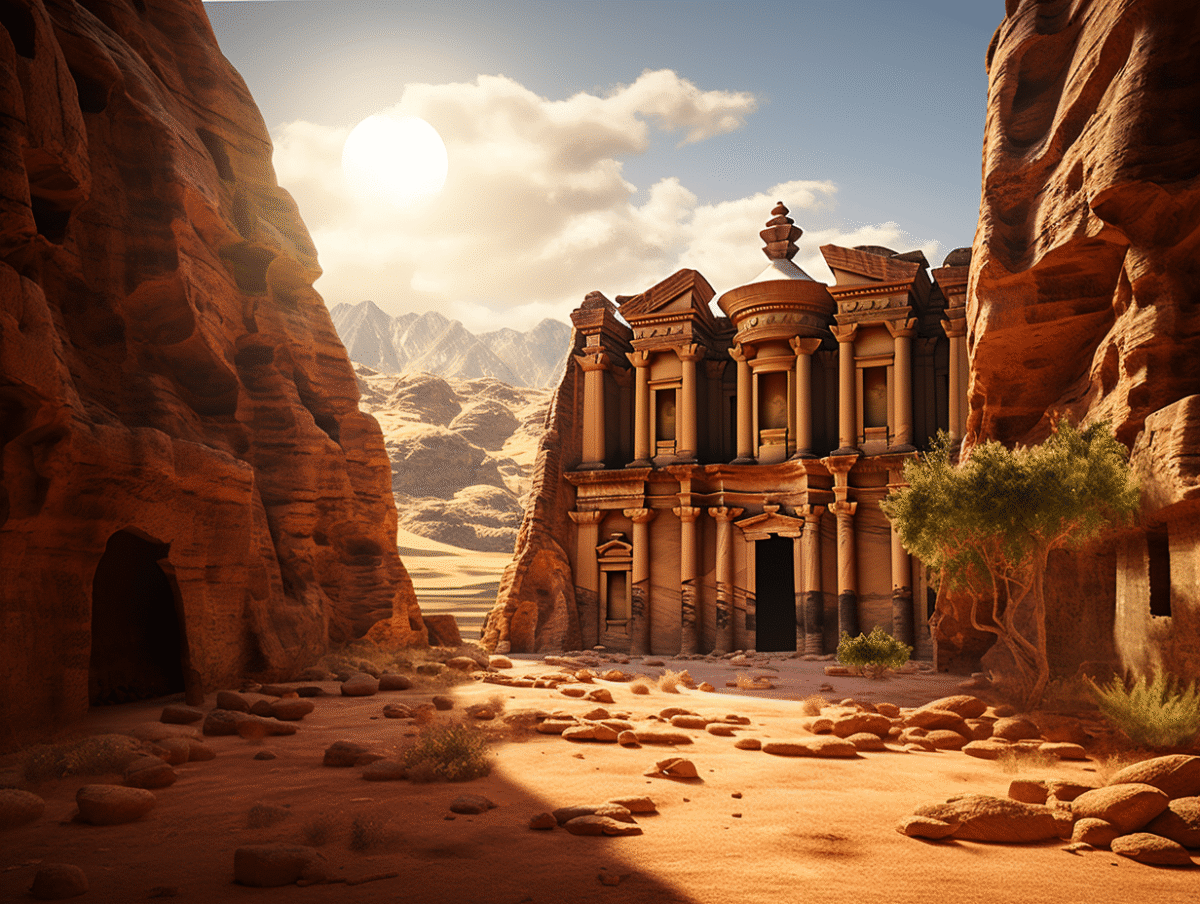
In the heart of the Middle East, cradle of millennia-old civilizations, lie buried treasures that testify to the past grandeur of ancient peoples. From the majestic city of Petra in Jordan, carved into the glowing rock, to the enigmatic ruins of Babylon in Iraq, every stone tells a story thousands of years old. The remnants of Palmyra in Syria, with its slender colonnades, stand like ghosts in the desert, while the ziggurats of ancient Mesopotamia defy time. These archaeological sites, breathtaking in their beauty, are open windows to bygone eras, offering a unique perspective on the architectural and cultural achievements of civilizations long past.
The Hidden Treasures of Ancient Middle East
Ancient Middle East is teeming with breathtaking archaeological sites, some of which remain unknown to the general public. Jordan, a Middle Eastern country, proves to be a captivating tourist destination, not only for its stunning landscapes but also for its invaluable heritage. Following in the footsteps of Lawrence of Arabia, the desert of Wadi Rum, with its rolling dunes and sculpted cliffs, is listed as a UNESCO World Heritage site. Its majestic silence and changing hues in the sunlight make it a must-visit for lovers of wide open spaces and history.
Travel to the heart of this region and you will discover the Dead Sea, the lowest point on the planet, offering a unique floating experience where the body is buoyed by the salt-saturated waters. The shores of the Dead Sea, shared among several countries, are also a place of history and culture, conducive to meditation on the links between man and nature. Undoubtedly, the ancient city of Petra, famous for its lavish monuments carved directly into multicolored sandstone, remains the jewel of Jordan. This place, seemingly frozen in time, continues to fascinate archaeologists and tourists from around the world.
The tales of ‘Voyage Blog’ are filled with adventures in these ancient lands, where every stone tells a story. Petra, in particular, is known for its lavish monuments, such as the Khazneh (the Treasury) and the Monastery, which testify to the architectural genius of the Nabataeans. Exploring these archaeological wonders, sometimes buried, sometimes shining under the scorching sun, is an invitation to a journey through time, where each discovery contributes to the knowledge and preservation of our shared heritage.
Exploring the Lesser-Known Archaeological Wonders
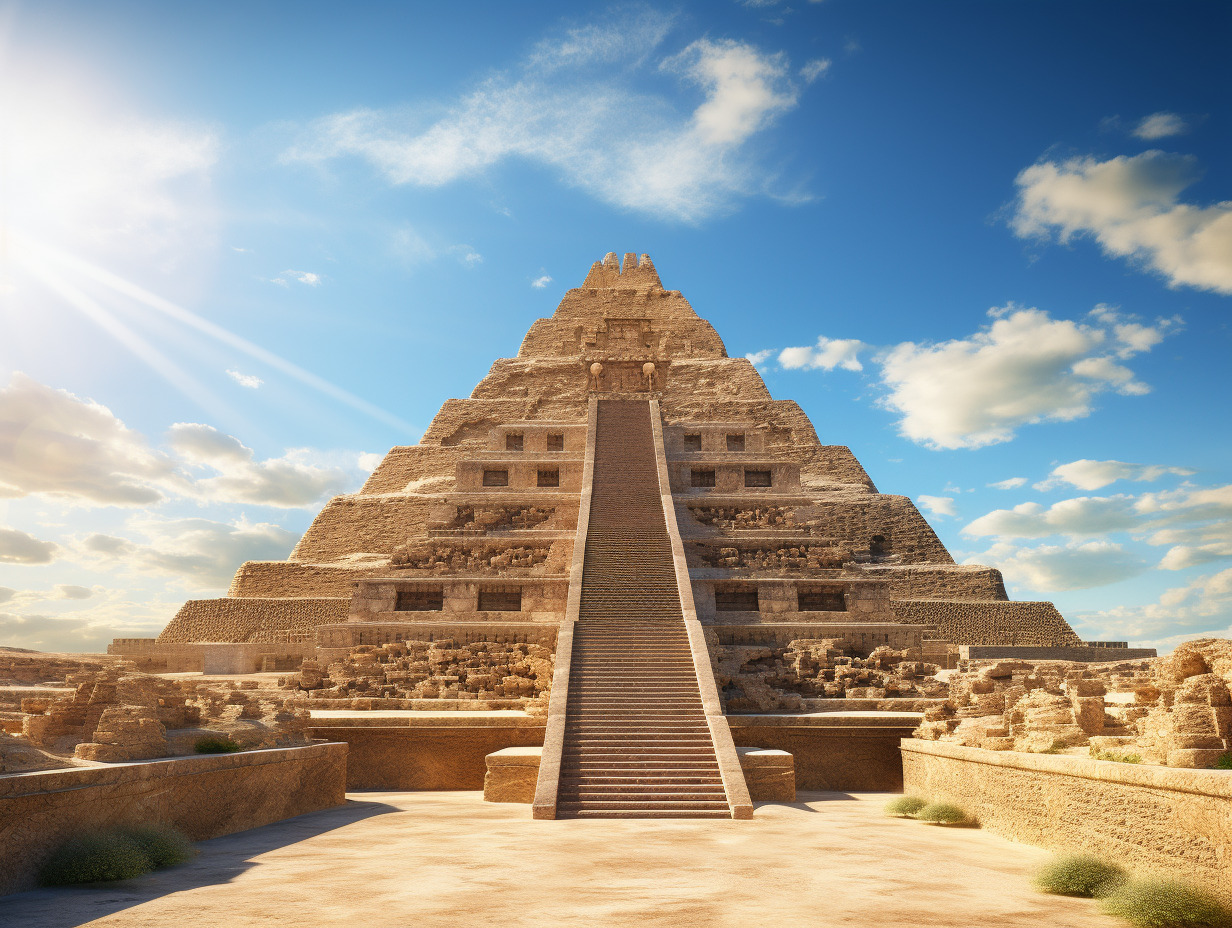
Beyond the iconic sites, Jordan holds lesser-known yet equally captivating heritage gems. The historical sites of this ancient land are not limited to the famous rocks of Petra or the expanses of Wadi Rum. Adventurers and history enthusiasts venture off the beaten path to discover forgotten ancient cities, crumbling fortresses, and religious buildings that reflect the cultural diversity that has marked the region over the centuries. These places, often overshadowed by more renowned attractions, offer a more intimate experience and allow for a deeper understanding of the complex past of the Middle East.
In the shadow of these giants, archaeological museums play a crucial role in the conservation and interpretation of discovered artifacts. They are the silent guardians of history, providing essential context for understanding the civilizations that populated these lands. The collections on display, although sometimes modest in size, are immense in their historical significance and offer visitors a glimpse into the daily lives of ancient peoples. These institutions, sometimes located in historic buildings themselves, add an extra layer to the discovery experience.
Continuing the exploration of Jordan inevitably leads to encounters with living history. Local communities, guardians of traditions and ancestral knowledge, are an essential component of the archaeological adventure. Their hospitality adds a human dimension to the visit of the sites, while the stories passed down through generations bring the stone remnants to life. Interactions with these populations allow for an appreciation of the lasting impact of the past on the present and an understanding of the cultural continuity that defines the Middle East.