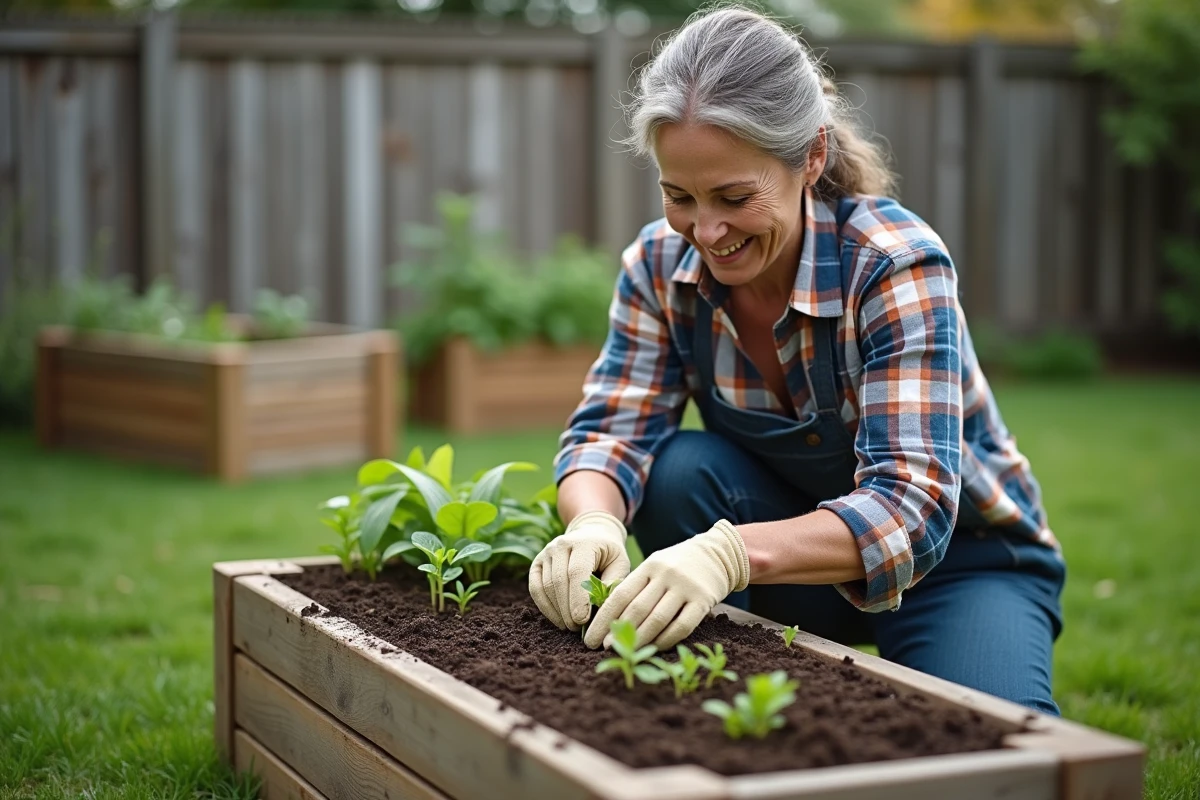
Statistics are clear: a neglected soil, repeated actions without thought, and the garden becomes exhausted. However, a few adjustments are enough to change the game, season after season.
Understanding the rhythms of the garden to anticipate each season
Each plot has its own logic, often more subtle than it seems. Observing the evolution of the seasons transforms the approach to gardening: one stops imposing a fixed calendar to adapt to the reality of the climate and the soil. As soon as the first cold arrives, the low light signals that it is time to prepare the soil, add mature compost, and structure the space. This preliminary work conditions everything that follows.
Anticipating the needs of each species requires adjusting the sowing and planting calendar each year, taking into account the surprises of the weather rather than fixed theoretical dates. When spring returns, the rise of sap reminds us of the urgency to aerate the soil, support the growth of young plants, and shelter the most fragile crops. In summer, there is increased vigilance regarding watering, mulching, and managing shade: the slightest oversight can jeopardize weeks of patience. In autumn, it is about preparing the soil for the future, choosing suitable seeds, and pruning to strengthen the vigor of shrubs.
The type of soil, exposure, and local climate dictate the priorities. It is difficult to rely on a single guide. On jardiniers.info – Advice for budding gardeners, the recommendation remains the same: nothing beats the gardener’s eye on site. It is this constant attention that shapes, over the seasons, a robust and lively garden.
What actions to adopt for effective and environmentally friendly maintenance?
Routine has no place here: maintaining the garden means working with living things. Each intervention should aim to preserve the vitality of the plants while also limiting the impact on nature. Watering, for example, should be thoughtful: targeted watering is preferred, done early or late in the day to avoid evaporation and allow the roots to fully benefit from the water.
Installing a rainwater collector quickly becomes an obvious choice. This simple-to-implement device reduces the consumption of drinking water and adapts to most outdoor spaces. Both the vegetable garden and ornamental beds benefit directly from it, especially during dry periods.
Giving a second life to garden waste becomes a reflex to adopt. By composting fallen leaves, cut grass, and pruning residues, we enrich the soil naturally while avoiding chemical fertilizers. This action, accessible to all, improves soil structure and promotes biodiversity. To strengthen this balance, a few practices deserve special attention:
- Regularly mulch around plant bases: this reduces water loss and limits the proliferation of unwanted weeds,
- Introduce crop rotation in the vegetable garden to preserve soil richness and reduce the risk of diseases,
- Maintain cutting tools to ensure clean cuts and avoid the transmission of pathogens.
By adopting these simple daily actions, we shape a resilient garden, respectful of soil life and natural balances, season after season.
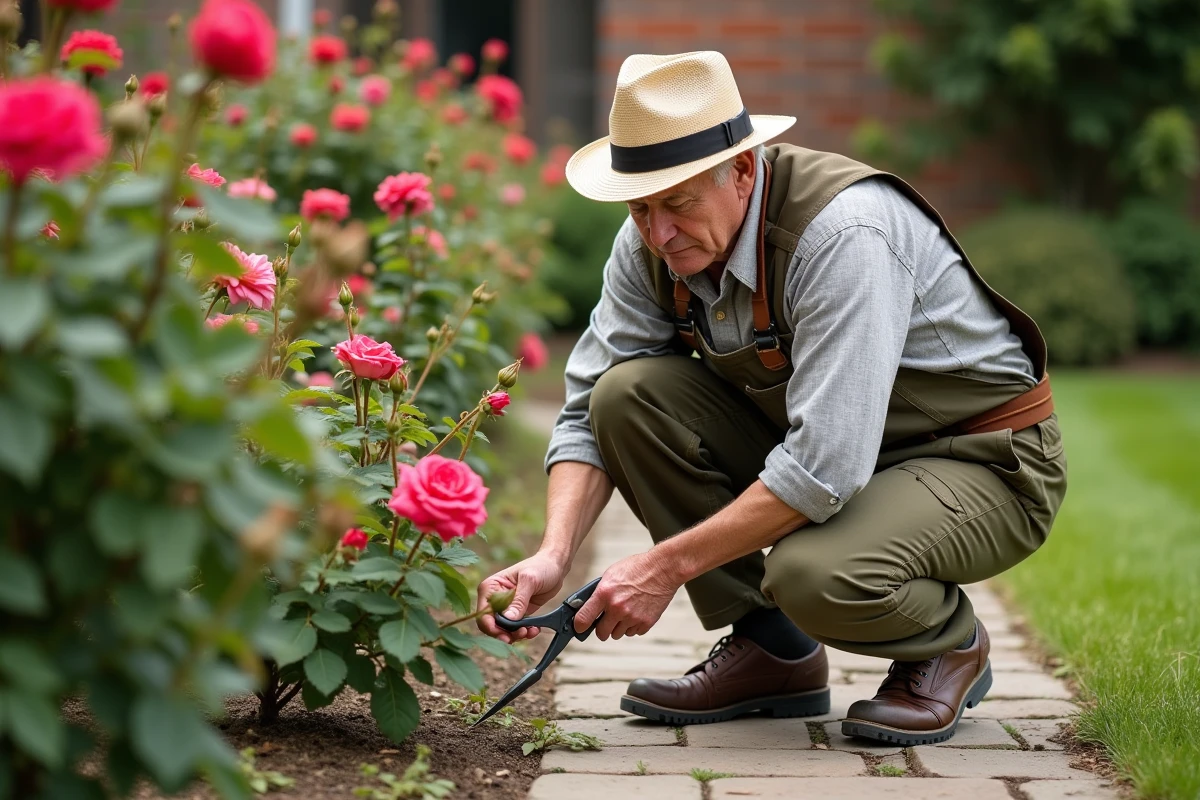
Focus on essential ecological tips for a flourishing garden all year round
A healthy garden is primarily a space where diversity thrives. To encourage this dynamic, a few tips make a difference. Promoting biodiversity, for example, involves introducing some nectar-rich plants, intentionally leaving a section of lawn uncut, and installing shelters for beneficial insects. These small actions naturally regulate pest populations and enrich soil life.
Organic matter remains the foundation of fertile soil. Preferring compost from the garden over industrial fertilizers nourishes crops without damaging the soil. Generously mulching with straw, leaves, or clippings protects roots, retains moisture, and limits the proliferation of competing weeds, especially during dry spells.
Watering also requires adaptation. A drip irrigation system or evening watering allows for the efficient use of every liter of water. The rainwater collected thus becomes a valuable resource for all crops: beds, vegetable garden, and new plantings.
It is better to plan sowing and planting considering the nature of the soil and exposure, rather than relying on generic dates. This flexibility provides the necessary responsiveness to deal with climatic surprises. To assist you, here are some concrete suggestions:
- Alternate crops to avoid resource depletion and limit disease transmission,
- Choose local varieties, which are often more resilient and require less care.
Careful observation of the garden, the choice of gentle techniques, and patience: these are the ingredients that transform the practice. Season after season, the garden rewards those who know how to work with its rhythms, without haste or stubbornness. Ultimately, the greatest secret to a successful garden may well lie in this ability to silently read what the earth has to offer.