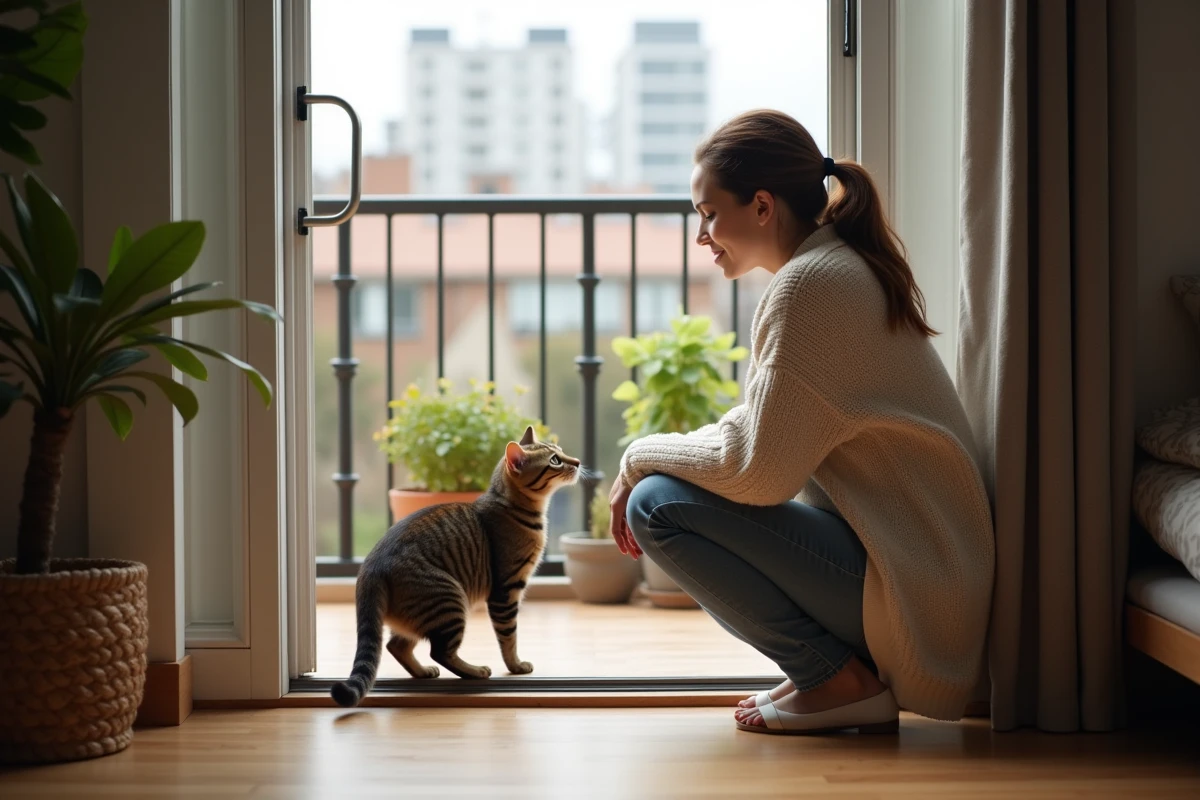
A cat can travel several kilometers in an attempt to find its old home, even when everything seems peaceful in the new household. After a move, habits shift, invisible tension rises, and every slightly open window becomes an invitation to adventure… or to escape. Adaptation cannot be decreed: it is built, sometimes slowly, often through trial and error. Trying to force fate is to risk disappearance, fear, and sometimes irreparable consequences. However, simple gestures and concrete strategies exist to ease the transition and set your companion on the right track. Ignoring this is to open the door to uncertainty and multiply the risks of accidents or lasting fears.
Why the first outing after a move is a key moment for your cat
The first outing in a new home is far from a trivial detail. For the cat, every change of air, every unknown square meter triggers an internal alarm. Its universe has lost its landmarks: familiar smells have vanished, sounds have changed, reassuring angles are no longer there. The cat, as a cautious explorer, moves forward, stops, sniffs, hesitates. In the face of this invisible storm, it is up to you to ensure calm, to allow time to pass, and to avoid chaos and sudden movements.
The territory is anything but an abstract concept for a feline. Leaving the old apartment or the old house is not simply changing the scenery: it is turning the page on a routine woven from thousands of sensory details. Here, nothing corresponds anymore. The animal is wary of the slightest noise, tracks the sliding light, questions every smell. Observe closely: ears back, tail stiff or bristled, crab-like gait… All these signs indicate a need for adaptation. Do not rush the steps.
To prepare for this delicate moment, first set up reassuring objects: cushions marked with its scent, favorite toys, familiar bowls. Let it discover room by room, at its own pace, without forcing it. Reduce traffic, avoid constant back and forth. Curiosity must eventually outweigh fear. A successful first outing is anticipated: every gesture counts, every minute of patience builds trust.
For additional tips, the cat outing after a move on Maison Créa details many practical pieces of advice. The acclimatization period shapes the cat’s balance: the key to a peaceful coexistence and a thriving animal in its new life.
Is your cat ready to explore its new territory? Signals to observe
Before considering opening the door, take the time to observe. Your cat’s behavior is the first clue to its state of mind. Some adapt quickly to the new home: they explore, rub against the furniture, position themselves in front of the windows. The more timid ones prefer to hide, startle at the slightest noise, hesitate to leave their den.
Watch how it manages its daily life. A cat that eats normally, grooms itself, uses its litter box as usual: that’s a good sign. But if the appetite disappears, if the litter box remains clean, if meowing intensifies, anxiety is not far behind. Postures also speak: low or puffed-up tail, ears back… all indicate persistent worry.
Here are several signals to watch for to gauge your cat’s comfort level:
- It lies down or plays near its familiar objects: cushions, bowls, toys.
- It marks its territory by rubbing its cheeks on furniture or walls.
- It shows curiosity towards the door or exits, but without excessive agitation.
Some cats, under pressure, change their behavior: sudden scratching, prolonged isolation, urinary marking. In these moments, it is better not to rush anything. The help of a veterinarian or a behaviorist can be valuable. Patience, familiar gestures, and reassuring presence are your best allies to help it settle into its new life.
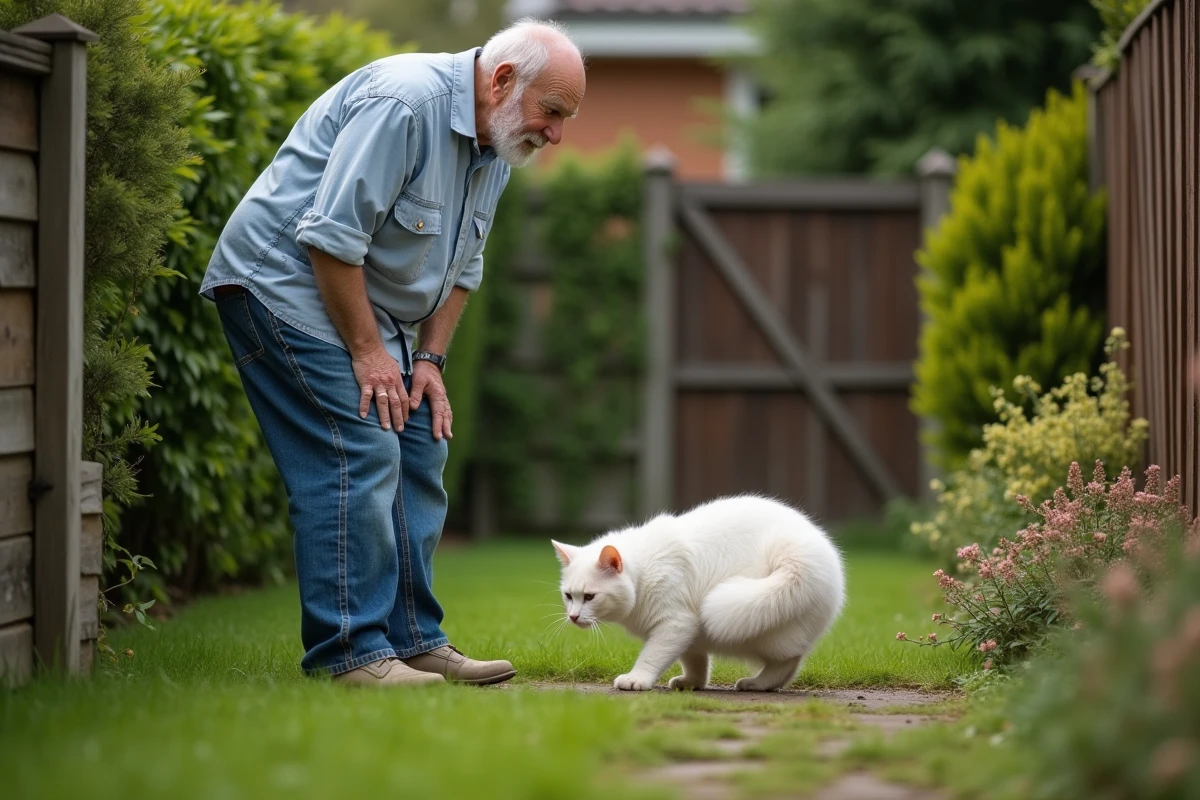
Concrete tips for a stress-free and safe first outing
Before letting it cross the door, make sure it is properly microchipped and identified. An electronic chip, a secure collar equipped with a tag with your contact information: these precautions do not prevent escape, but they increase the chances of reunion. If your cat accepts a GPS collar, you can follow its first steps with peace of mind.
Also take the time to secure your outdoor space. A balcony or garden protected by a net, a proper fence: nothing beats prevention. Windows on upper floors can be dangerous: install a system to prevent falls. Indoor cats also benefit from a secure balcony to explore safely.
Here are some actions to turn this first outing into a positive experience:
- Wait several days for acclimatization before the first outing.
- Opt for a brief, supervised outing at the end of the day, when calm prevails.
- Keep the transport crate handy: useful in case of panic.
- Diffuse calming pheromones before and after the walk.
Reward every voluntary return with a treat. Near the door, place its toys, its bowl, a cat tree: to recreate reassuring landmarks. The litter box always accessible acts as a reassuring beacon.
Up-to-date vaccinations, appropriate anti-parasitic treatments: these actions protect your cat from neighborhood diseases. If anxiety persists, a few sessions of clicker training will build trust, step by step. Each successful outing further seals the attachment to this new environment. A calm cat means a home that breathes stronger, ready to write a new chapter, paw by paw.