
The French property market is going through a period in which each new legislative measure reshapes the rules for buyers, sellers and tenants. The housing bill, debated in the National Assembly in late 2026, proposes exemptions allowing homes rated F or G to be rented out again, provided renovation work is carried out. This provision lies at the heart of a key debate: maintaining the supply of rental housing without sacrificing its thermal performance.
Energy-inefficient homes and the return to the rental market: the pitfalls of a poorly regulated exemption
Have you noticed that property listings mention the EPC rating more and more often? Once a minor detail, this energy-efficiency rating now determines whether a property can legally be rented out. The least energy-efficient homes (rated F and G) were due to be gradually withdrawn from the rental market.
Yet the government is proposing to relax this timetable. Owners of detached houses would have three years to start the work, while owners of properties in co-ownership would have five years. During this period, the property could still be rented out.
The idea seems pragmatic: avoid abruptly removing thousands of homes from the rental market amid a housing shortage. In practice, the risk is clear. A tenant who signs a lease for a home rated G will pay far more in heating bills than they would for a renovated property. Until the work is completed, the cost of poor thermal performance is shifted from the owner to the tenant.
For the measure to work without this unintended consequence, several conditions would be needed: rent caps tied to actual energy performance, effective monitoring of renovation commitments, and penalties if the work is not completed within the allotted time. Without these safeguards, the exemption amounts to legalising the rental of homes that the law had deemed unfit. Tenants’ associations have also warned that this could weaken protections against energy-inefficient housing.
To follow how these measures develop and their real impact on prices, the latest news on Mon Conseiller Immo regularly covers current regulatory changes.

Jeanbrun scheme: why investment in new rental properties is not picking up
The Jeanbrun scheme was intended to replace Pinel and revive investment in new rental properties. The tax incentive was designed to encourage individuals to buy homes to rent out.
Early feedback points to a clear gap between the scheme’s stated ambition and its actual uptake. A survey of l’Adresse agencies, reported by L’Est Républicain in October 2026, found little investor interest in the scheme. Industry professionals have identified several concrete obstacles:
- Mortgage rates remain high enough to reduce net returns, even with the tax incentive
- New-build prices have not fallen enough to offset the higher cost of borrowing
- Rising property taxes in many municipalities eat into rental yields year after year
- Energy-efficiency upgrades add costs that the scheme does not cover
A tax incentive cannot make up for a negative return in practice. MPs have also relaxed some of the scheme’s conditions before it had a chance to prove its effectiveness. This early overhaul reflects a structural problem: the issue is not just tax-related, but economic.
Sales to investors and reservations for new-build homes are down
Available data confirms this trend. Sales to individual investors have fallen year on year, and reservations for new-build homes in the third quarter of 2026 are following the same trajectory. New-build properties are losing buyers despite public incentives.
For anyone considering investing, the question is not “which tax scheme should I choose?” but “will this property be profitable without the tax incentive?” If the answer is no, the investment depends on a crutch that could disappear with the next change of government.
Mortgage rates and property prices in France: what is shaping the market
Beyond tax schemes, two factors drive buying and selling decisions: interest rates and price movements.
Mortgage rates have stabilised after the sharp rise of previous years. This lull is giving borrowers a little more purchasing power. Stable rates do not mean a return to 2021 conditions. Monthly repayments are still higher than before the increase, and banks continue to apply strict lending criteria.
Differences between cities and market segments
Prices are not following a single trend across the country. Paris and the major cities remain expensive, driven by scarce land. In medium-sized cities, transactions are picking up more easily because prices have adjusted.
Why does this difference matter to buyers? Because it radically changes the types of opportunities available:
- In high-demand areas, older properties in need of renovation offer room to negotiate on price, provided you budget for energy-efficiency upgrades
- In medium-sized cities, rising transaction volumes are making the market more fluid, with shorter selling times
- On the outskirts of major cities, new-build projects are struggling to find buyers, which may open the door to negotiations on asking prices
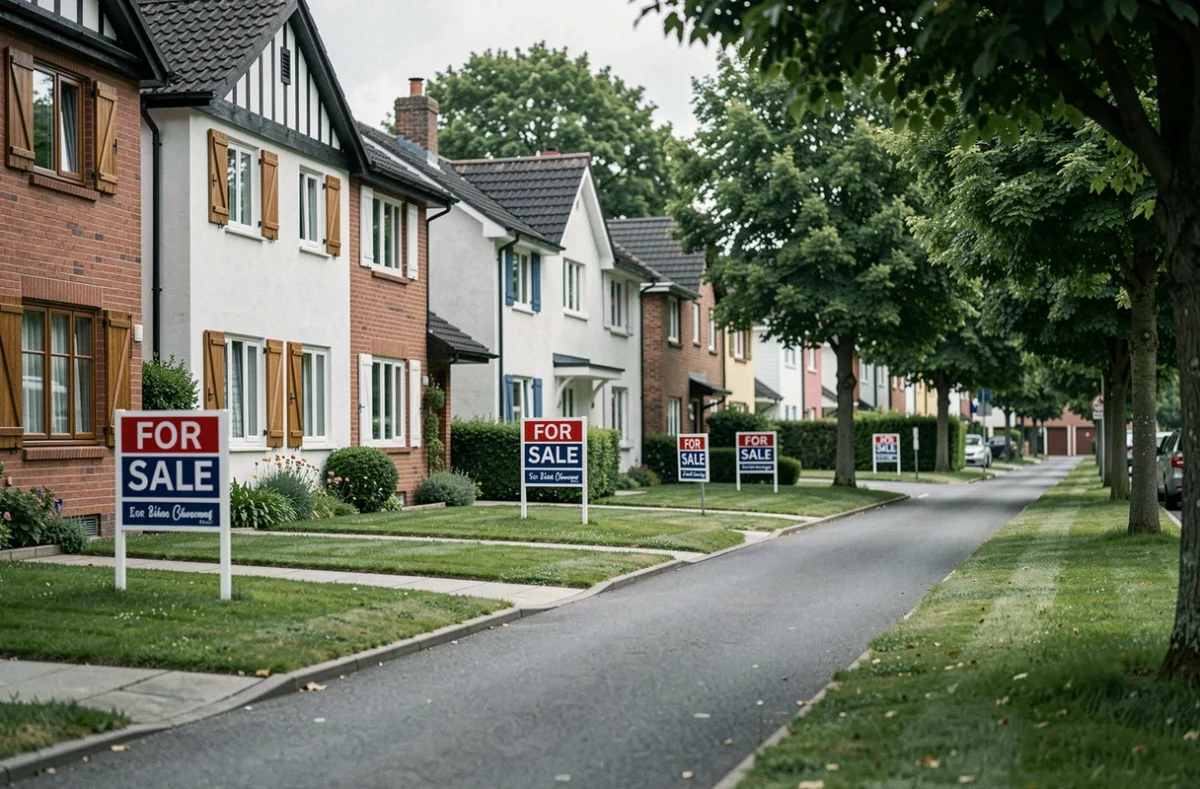
EPC ratings and property portfolio management: a key consideration
An energy performance certificate is no longer just an administrative document. It affects a property’s resale value, its eligibility for rental, and the cost of any work required.
A home rated D or E loses value faster than one rated B or C. This discount, which was still modest a few years ago, is accelerating as rental bans draw closer. For property owners managing a portfolio, the EPC rating has become a financial risk indicator as much as a technical tool.
The legislative timetable remains uncertain. Measures passed or debated in 2026 must still complete the full parliamentary process. There is no guarantee that the exemptions currently under discussion will come into force in their present form. Planning renovations ahead of time rather than waiting for a legal requirement remains the least risky strategy.
The 2026 property market rewards those who read regulatory signals before they become obligations. Owners who renovate now protect their property’s value and their access to the rental market, whatever legislation the lawmakers ultimately adopt.