Marcelle Dupont was born in February 1933 in Paris, the daughter of Édith Piaf and Louis Dupont, nicknamed “P’tit Louis”. She died in 1935, before her third birthday. Her short life remains one of the most painful episodes in the singer’s life, but also one of the least documented by primary sources. Several biographical details are repeated from one article to another, yet no published civil registry record has surfaced to confirm them.
Marcelle Dupont’s civil records: what the archives can verify
Most online accounts repeat the same information: birth in February 1933, death on July 7, 1935, and meningitis as the cause of death. These details come from biographies of Édith Piaf, not from publicly available archival documents.
The departmental archives hold the civil registers and indexes that could be used to locate Marcelle’s birth and death records. No online source shows that a researcher or biographer has published a copy of either record. The exact date of death is therefore not corroborated by any identifiable archival document. Transcripts of biographical podcasts say “in July 1935” without specifying the day.
This distinction matters because the cause of Marcelle Dupont’s death is also based on an account passed from one biography to another. Meningitis is mentioned consistently, but always as a reported fact, never as a diagnosis supported by a medical certificate that has been consulted.
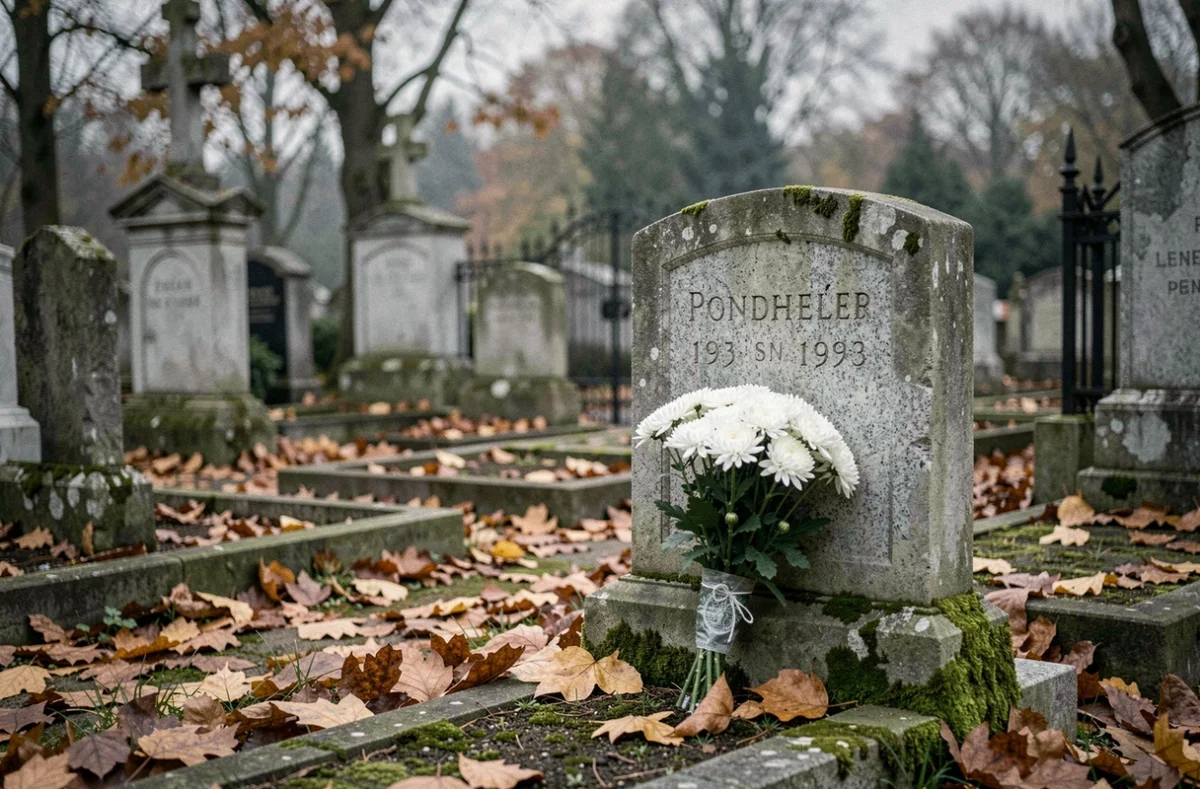
This lack of documentary clarity does not invalidate the account. It means that widely repeated claims should be presented for what they are: probable biographical details, not archival certainties.
Louis Dupont, Marcelle’s father: a partner from the Belleville years
Louis Léon Henri Dupont, born in 1915 and died in 1965, was a delivery boy when he met Édith Piaf. She was about seventeen at the time and sang in the streets of Belleville. The two moved in together at Louis’s mother’s home on avenue des Bouleaux (formerly avenue de la République).
Biographical sources describe Louis Dupont as a jealous and violent partner. The couple separated after Marcelle’s death, in circumstances described in accounts as heartbreaking for both parents. Here again, none of the available sources cite primary documents (a marriage certificate, court ruling, or police report) to support these details.
What transcripts of biographical podcasts establish is that Marcelle was born during the period when Piaf was still singing in the street, before her first recordings. The child was born and died before her mother became “La Môme Piaf” on stage.
Marcelle Dupont and Édith Piaf’s path before fame
Placing Marcelle’s life within Piaf’s professional timeline changes how this episode is understood. Competing articles often treat the story as a private-life anecdote, detached from her artistic journey. The biographical account suggests a more direct connection.
In 1933, Édith Piaf had not yet been discovered by Louis Leplée (who would discover her in 1935). She made her living singing in the street, amid material hardship documented by all her biographers. Marcelle was born during this period of daily struggle, not after Piaf had established her career.
The child’s death, which occurred in the same year as Piaf’s meeting with Leplée, marked a turning point. Several biographers believe that her grief contributed to the emotional intensity Piaf later brought to her performances. This remains an interpretation, not a demonstrable fact.
The story of prostitution to pay for the funeral
A frequently repeated account claims that Édith Piaf turned to prostitution to pay for Marcelle’s funeral. The story appears in several biographies and has been repeated in the press. It illustrates the extreme poverty in which the singer lived at the time.
The original source of this claim is difficult to trace. It appears in accounts of Piaf’s own recollections, as relayed by people close to her and then repeated by successive biographers. As with other episodes from this period, it is important to distinguish what Piaf said about her life from what can be verified through documents.
Childhood meningitis in the 1930s: a different medical context
If meningitis was indeed the cause of Marcelle’s death, it occurred in a medical context very different from our own. In France in the 1930s, the means of diagnosing and treating the disease were limited:
- Antibiotics were not yet available for routine clinical use, making serious bacterial infections often fatal
- Families living in poverty had limited access to hospital care, which often delayed treatment
- Infant mortality in France in the 1930s remained high compared with later decades, across all causes
A child with meningitis in working-class Paris in 1935 had little chance of survival, regardless of how attentive her parents were. This medical context is rarely mentioned in articles about Marcelle, which focus on the emotional impact of Piaf’s grief.
The only known photo of Marcelle Dupont
A single photograph of Marcelle Dupont circulates online. It comes from a locket Édith Piaf carried with her and was digitized and shared on social media. No other images of the child have been made public.
This locket is one of the few physical objects that directly attest to Marcelle’s existence beyond the biographical accounts. At the very least, it confirms that Piaf kept the photograph with her, supporting the significance of this loss in her life.
Marcelle Dupont’s story spans two years and a handful of facts: a birth into poverty, a mother who sang in the street, a father who worked as a delivery boy, and a fatal childhood illness. The rest—the precise date of death, the exact diagnosis, and the circumstances of the funeral—belongs to a biographical account passed down without accessible archival evidence. Distinguishing between these two levels of information means respecting both the child’s memory and the pursuit of truth.