
In a society where longevity is increasing, caring for the elderly becomes a central issue. Virginia Henderson’s approach, with its model focused on the 14 fundamental needs of human beings, provides a relevant framework for nursing care aimed at seniors. This method aims to ensure the autonomy and well-being of older adults by focusing on aspects such as nutrition, hygiene, mobility, and social interactions. The application of this theory in healthcare facilities and within home care services could transform the quality of care provided to this vulnerable population.
the 14 needs of Virginia Henderson PDF
Application of Virginia Henderson’s model for seniors
In the landscape of nursing care, Virginia Henderson’s work emerges as an essential pillar, particularly when it comes to the care of elderly individuals. The model developed by this pioneer, which is based on the 14 fundamental needs of the person, serves as a valuable guide for caregivers facing the loss of autonomy in this population. Indeed, the physiological and psychosocial needs of seniors are at the heart of this approach, which aims to maintain, and when possible, restore the individual’s independence in their daily environment.
The practical implementation of this model requires a deep understanding of the specific needs of seniors. Educational resources, such as the document “the 14 needs of Virginia Henderson PDF,” are essential for healthcare professionals. They provide direct access to the foundations of this model and facilitate its concrete application in the various situations caregivers may encounter. It is a reference that allows for structuring interventions in a methodical manner tailored to the unique needs of each elderly person.
The impact of Henderson’s model goes beyond the realm of individual care. It has become an international reference, notably thanks to the International Council of Nurses, which has played a key role in disseminating these principles. This organization has recognized the value of Henderson’s approach and its importance in the evolution of nursing care standards worldwide. The application of Virginia Henderson’s model in senior care aligns with a commitment to quality and respect for human dignity, in line with contemporary expectations in the healthcare field.
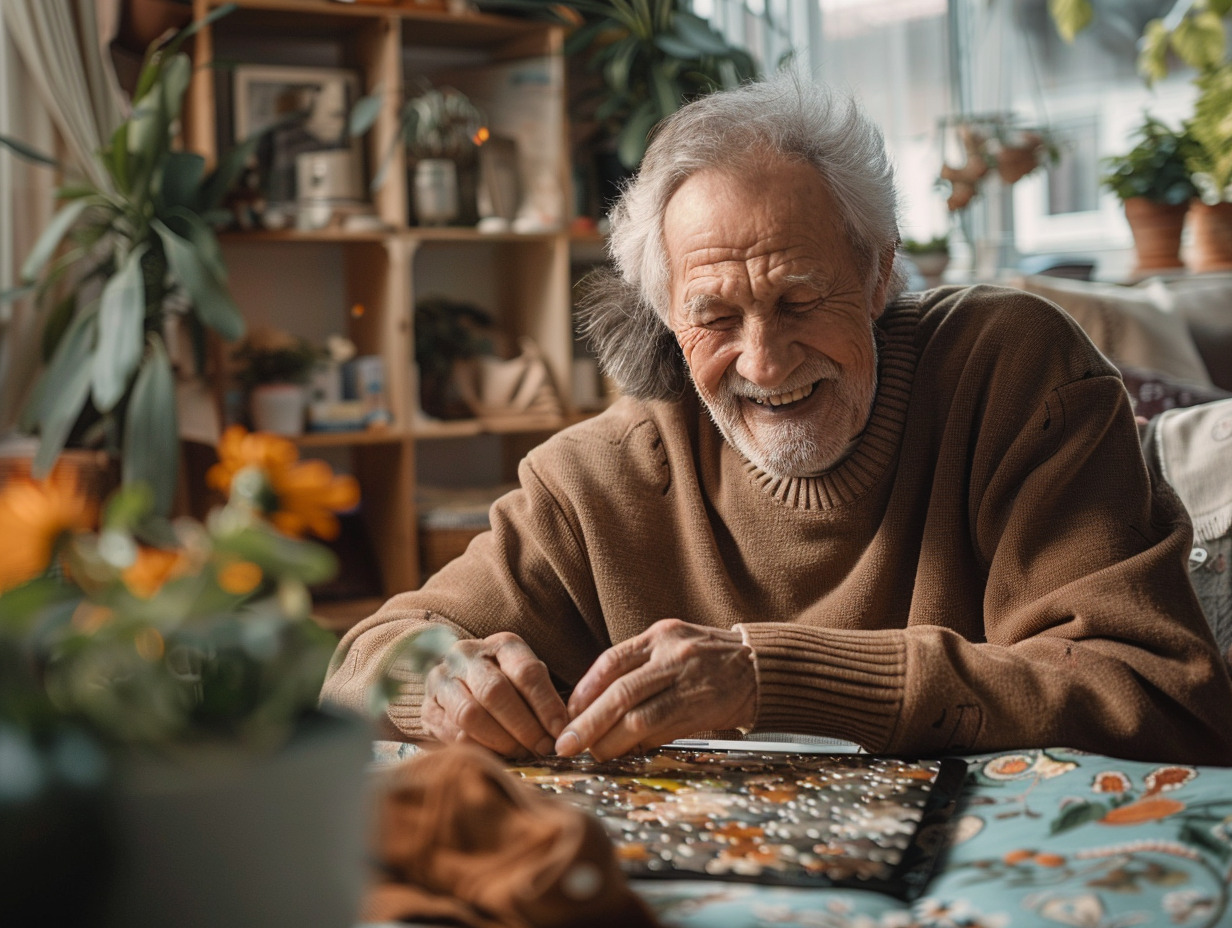
Practical strategies to meet the fundamental needs of seniors
Given the diversity of profiles among elderly individuals, strategies to address their needs must be both innovative and personalized. The workshops offered by Tous en Tandem, an organization committed to stimulating the social life of seniors, illustrate this necessity. These workshops promote the integration of discovery and social connection, inviting participants to explore various creative activities and interact with different generations. They are based on the idea that maintaining an active social life is essential for the autonomy and well-being of seniors.
The Charter of Rights and Freedoms of Elderly Persons in Situations of Disability or Dependency establishes a legal framework that emphasizes the importance of access to interests and activities that stimulate the mind and body. This charter asserts that engagement in creative practices is not a luxury, but a right, thereby contributing to the fulfillment of the fundamental needs of this population. Healthcare professionals are encouraged to refer to this document to ensure that the rights to personal development of seniors are respected and promoted.
The theory of human motivation, developed by psychologist Abraham Maslow and illustrated by his famous hierarchy of needs, is a valuable tool for understanding and prioritizing the needs of seniors. Although originally designed for the professional world, this theory adapts remarkably well to the situation of seniors, highlighting the importance of security, belonging, esteem, and self-actualization needs.
Supporting seniors in managing their health and autonomy requires constant attention. Healthcare professionals must adopt a holistic and integrative approach, taking into account the physical, emotional, social, and spiritual dimensions of each individual. This involves close collaboration among the various care providers and regular evaluation of care plans to adjust them to the evolving needs of elderly individuals.