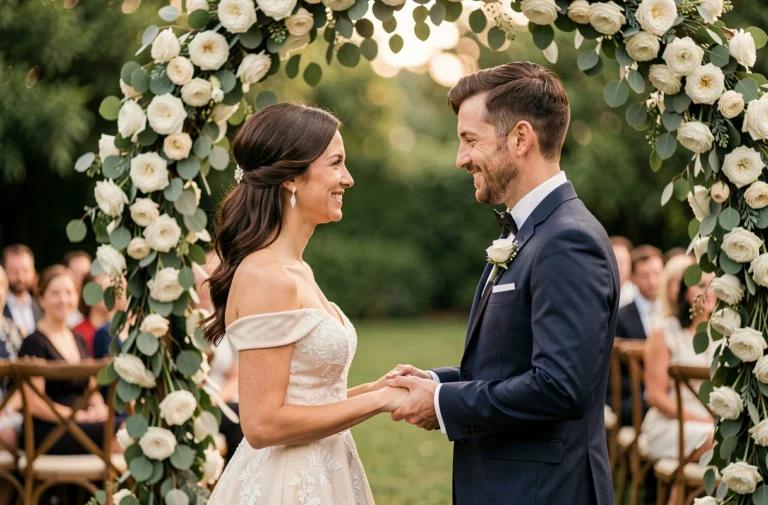
The choice of a photography training program determines access to the most sought-after technical skills in the industry. The rapid evolution of digital tools makes certain learnings obsolete in less than two years, while other, more specialized approaches open the door to unexpected opportunities. A certification recognized by professionals can make the difference between a simple portfolio and a solid career. Market demands now favor versatile profiles capable of mastering both advanced retouching and visual project management for companies.
Why training in professional photography changes your future
Training in photography is no longer limited to acquiring technical skills. It is a transition that transforms a desire into a profession, paves the way for a career change, and builds the confidence that distinguishes a professional photographer. This field requires a triple demand: technical, artistic, and commercial. Those who ignore one of these dimensions expose themselves to a closed market, where competition prevails.
Choosing a training program means joining a network, accessing concrete resources, and gaining legitimacy that carries weight in front of a client or employer. A solid professional curriculum allows for the presentation of a credible portfolio, targeting sectors such as advertising, fashion, or journalism, and exploring entrepreneurship. Relying on a career development advisor, participating in coaching sessions, or conducting a skills assessment gives a second wind to those looking to energize their career or start as freelancers.
The average salary of a photographer is around 1,912 euros gross per month, but the diversity of statuses—freelance, employee, author, artisan, self-employed—multiplies the prospects. Commercial management, copyright law, and communication are now key skills to acquire in serious training. In terms of access, several schemes facilitate the financing of training, whether through the CPF, OPCO, AIF, or regional support, not to mention assistance for people with disabilities.
Opting for a structured path like the BTS photography, whose opportunities, content, and prospects are detailed on the dedicated page, means taking a position in the market from the outset. Specialization, certification, tailored support: each step shapes a journey, from the first click to the signing of the contract.
What types of training exist to meet every ambition?
For every project, there is a training program. Whether you aim for a direct entry into the market, a career change, or the acquisition of new skills, photography training offers several paths. For beginners, initial training starts as early as high school: Bac Pro Photography, BEP, BTM, BTS, bachelor, or master. Each diploma targets a specific profile, and each curriculum meets a concrete demand from the industry.
Here are the main pathways available according to your goal:
- Bac Pro Photography: a springboard to roles as an operator, technician, or assistant.
- BTS Photography: to gain technical confidence, aim for versatility, and open up to independence.
- Bachelor / Master Photography: to go further in creation, project management, and commercial strategy.
For active professionals, freelancers, or job seekers, continuing education offers a range of solutions: workshops, online courses, specialized modules, all designed to meet the realities of the field. These programs cover shooting, retouching, post-production, as well as entrepreneurship and copyright law.
The recognition of the training path is based on the Qualiopi certification and registration in the RNCP 37233. Training centers offer tailored modules, in-person or remote, accessible through the CPF, OPCO, AIF, PTP, or regional funds. Each profile—freelancer, employee, author, artisan—finds an appropriate response, structured according to the demands of the profession and the evolutions of the sector.
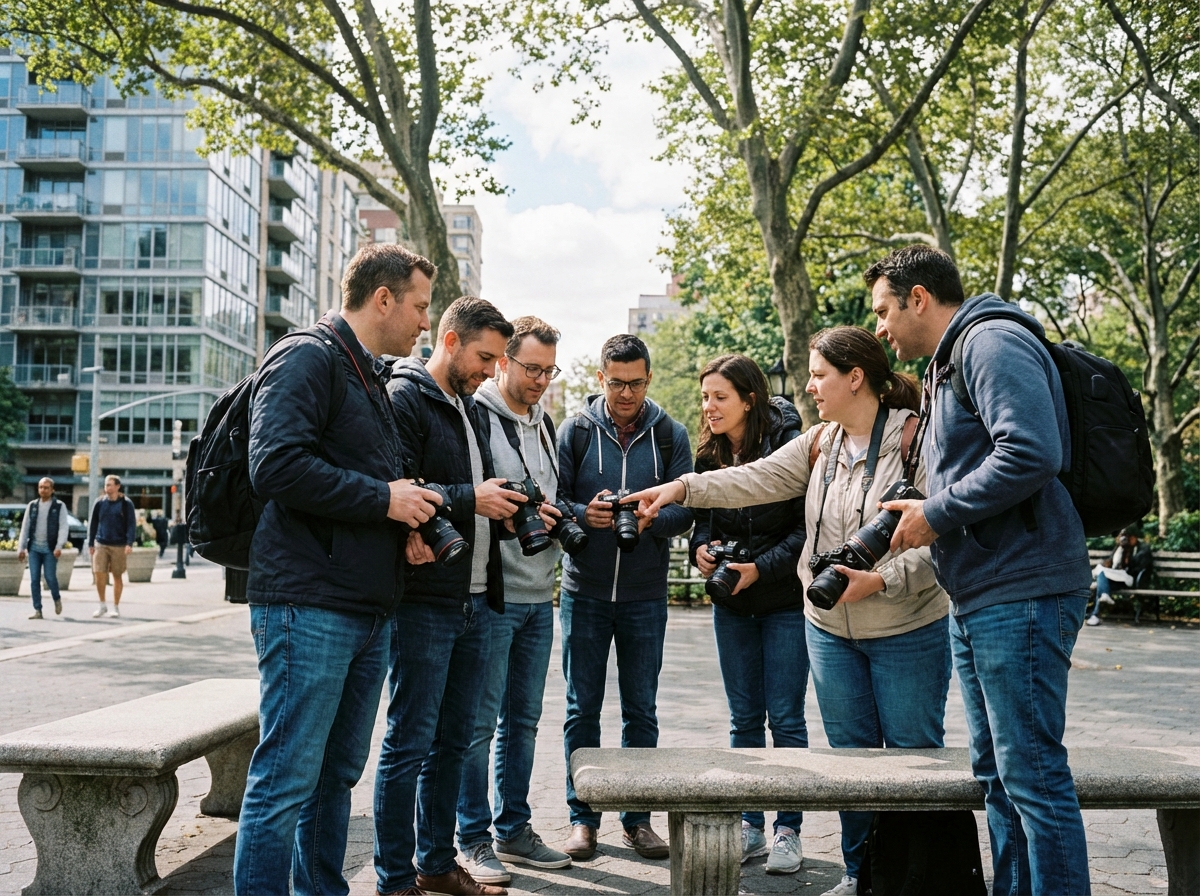
Discover the essential programs to accelerate your photography career
The flagship courses in professional photography training revolve around the targeted acquisition of technical skills that make a difference in the field. Improving in shooting and post-production ensures essential mastery for evolving in the profession.
Each module addresses an operational need: handling the camera, managing natural or artificial light, refining skills in Adobe Photoshop and Lightroom, advanced retouching, as well as project management and entrepreneurship. The variety of formats—workshops, intensive courses, personalized support—caters to both independent photographers and employees in transition.
The topics covered are numerous and adapted to the diversity of needs:
- Specialized workshops: portrait, reportage, fashion, culinary photography, events
- Modular training, remote or in-person, to adjust to every lifestyle
- Modules focused on commercial management, copyright law, and creating an attractive portfolio
The RNCP 37233 certification attests to national recognition of the training path followed. Training centers offer programs eligible for various financing solutions—CPF, OPCO, AIF, PTP, FAF—to facilitate access and allow everyone to refine their practice, build a strong visual identity, and open new professional horizons.
With each session, the opportunity arises to go beyond the simple snapshot to build a tailored trajectory, where technical demands meet creative ambition. Professional photography awaits your signature to reveal its full power.